Ultimate Team Player -- David Weir
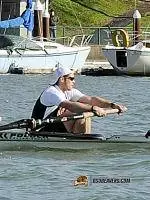
Beaver junior rower David Weir might be playing football or wrestling right now if it weren’t for an injury he suffered in high school. The Folsom,
The exercise and sport science major, who is destined for the varsity boat next season, also found his calling professionally – being a paramedic.
The OSU communications staff recently caught up with Weir and asked him a few questions about his future.
You can also from a recent Beavers All Access about Weir and his team of firefighters at
Have you ever been in a situation that you felt nervous about?
“Oh yeah. Every time you jump in the fire engine, there is always that anticipation, that adrenaline rush. And there has been calls where you have those ‘Oh no’ moments, but you always fall back on your training and you always get the job done.”
Ultimately, do you want to be a paramedic? Is that the ultimate goal?
“For right now, I probably see myself going back to
How much more schooling/training do you have to do to be a full time paramedic?
“Training for a paramedic is about one in a half, two years. So it’s probably another three years from now till I’m all done.”
The rigors of firefighting compared with the rigors of rowing, do they complement each other? Does one help the other?
“Rowing and firefighting counter balance each other really well. They are a release for one another. I can go to the fire house to get away from crew, and I can go to crew to get away from the fire station. There are a lot of sleepless nights at the station; the alarm is going off in the middle of the night. And there are a lot of times where you want to get away from practice, not a lot, but practices can be pretty demanding and they really are a release from one another and they become symbiotic. It’s really nice.”
Talk about the teamwork that goes into rowing and firefighting?
“The teamwork aspect in rowing is unquestionable. If one guy isn’t performing the way the rest of the team does, the boat isn’t going to move. It is the same way in firefighting. If one guy doesn’t perform the way he’s been trained to perform, he’s going to put his whole crew at risk. And we train to not put each other at risk, because ultimately you are going to put the victim at risk.”
Tell me about rowing. What got you interested in that?
“I actually attended a regatta in high school. I did football and wrestling and junior year I got injured. I was told I couldn’t play football anymore and I had an uncle who was a rowing coach and he was like, ‘Why don’t you come row.’ I thought why would I do that, but I came out for a practice and fell in love with it the first day. I haven’t looked back since. It’s been five years and I’ve loved every minute of it.”
It’s not a sport that gets a lot of attention. What is so appealing about it?
“It’s completely dynamic. Rowing doesn’t get a lot of attention, but that is one of the draws to it. It’s purely the love of the sport. It attracts only the athletes that want to be there. I mean football, yeah it gets the crowds to watch it, but you also get the people that are only there for the jersey, they’re there for the crowds and you can say that about a lot of sports. If you are there for crew, you are there because you want to move, you want to go fast, and you want to be the biggest, the fastest and the strongest. And that is kind of what
Tell me about your experience at
“My experience at